

For centuries man made little impact on the mountains. All that changed in the last hundred years with summer and winter tourism. The growth of ski runs, cable cars, chair lifts, roads and hotels has put pressure on the ecological structure and balance. The explosion of tourism threatens many species that have a precarious existence in the mountain environment.
The Wildlife of Chamonix - Animals and Birds
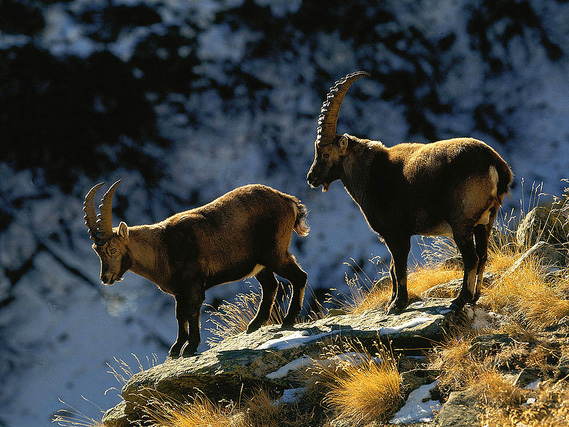
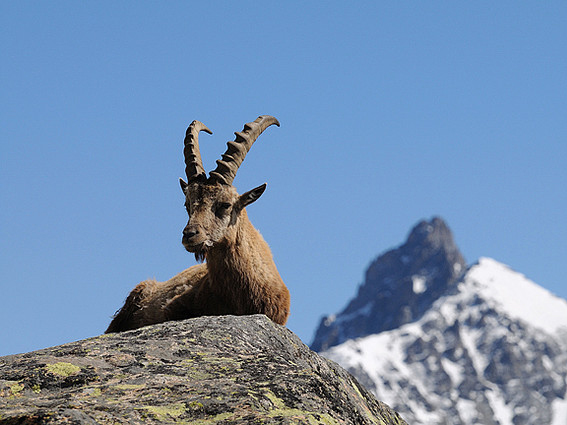
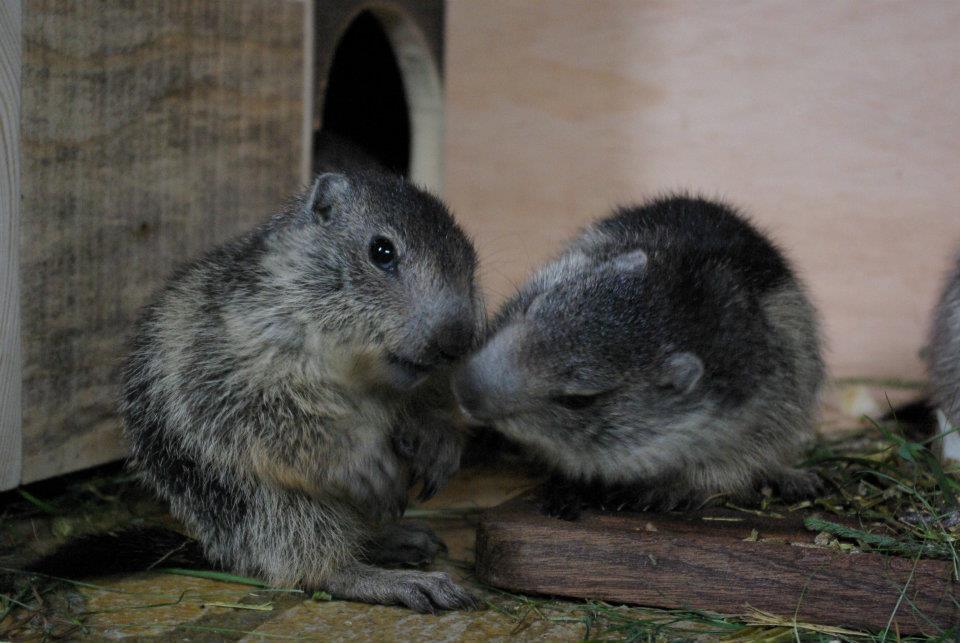
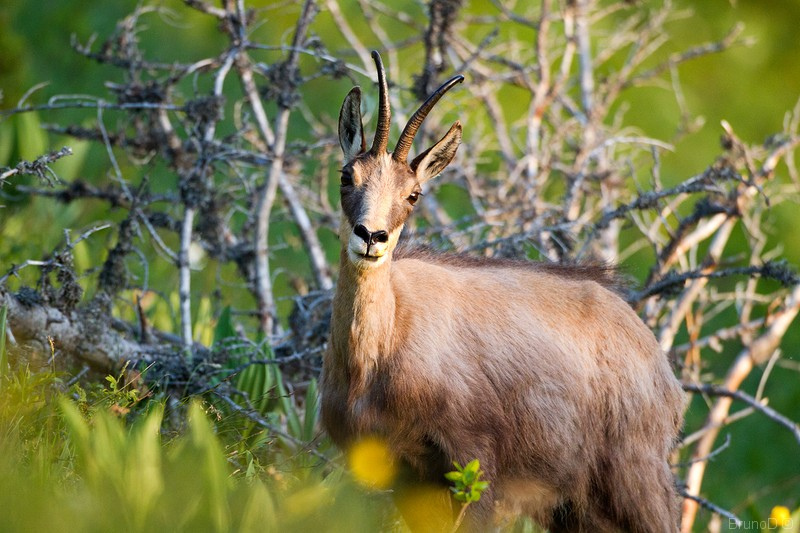
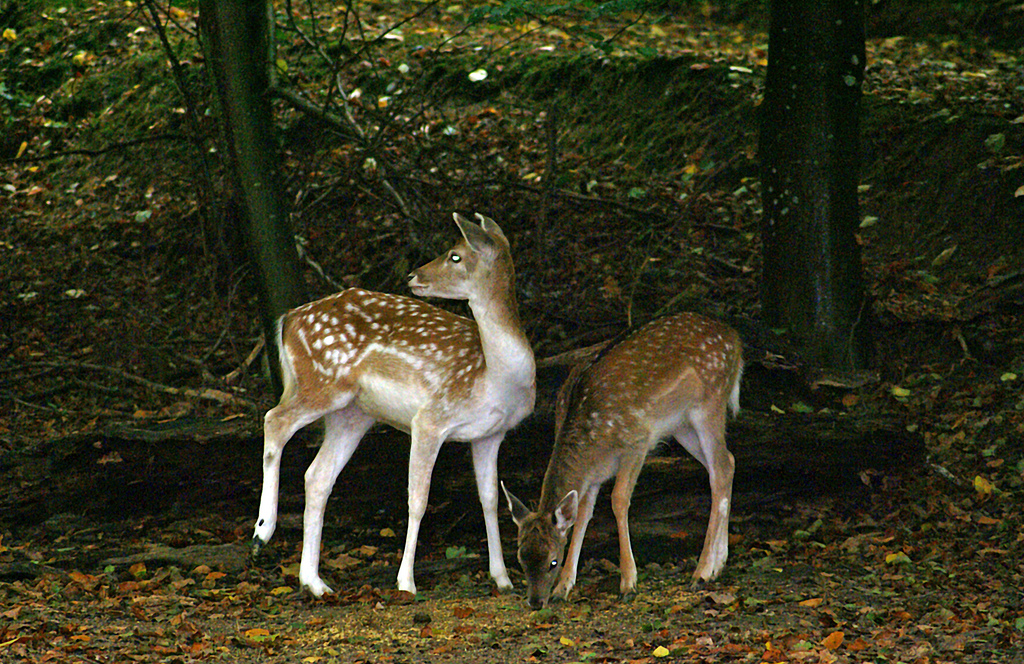
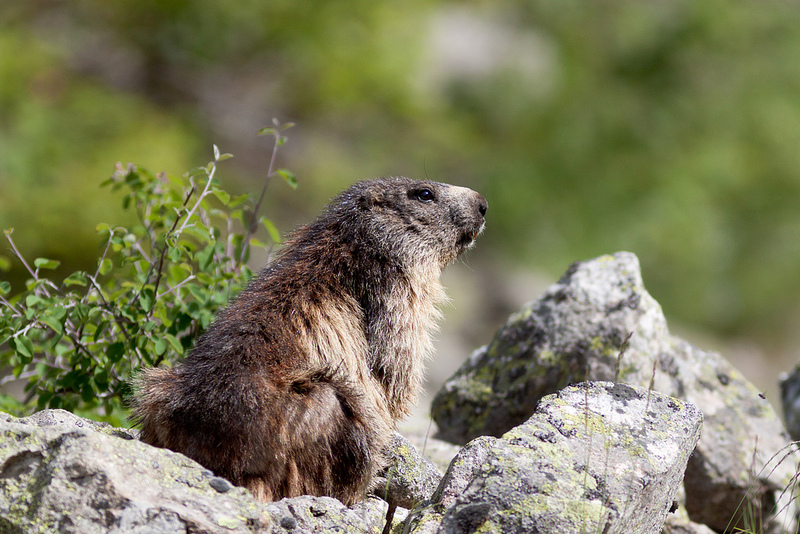
Many different species of animals live in the mountains. Most of the mammals are herbivores, such as Chamois, mountain hares and Marmottes. Also a few foxes and lynx (very rare) can be found.
You can observe most of the native Chamonix animals in their natural habitat at the Merlet Animal Park in Les Houches.
There is a limited variety of birds but the sight of a royal eagle or a bearded vulture, with over 2m wingspans is a real reward for an ornithologist.
Reptiles such as snakes and lizards enjoy sunbathing on the warm rocks. Be careful, a few are venomous!
Little affected by the reduced oxygen levels, many insects live at high altitudes, in particular, butterflies.
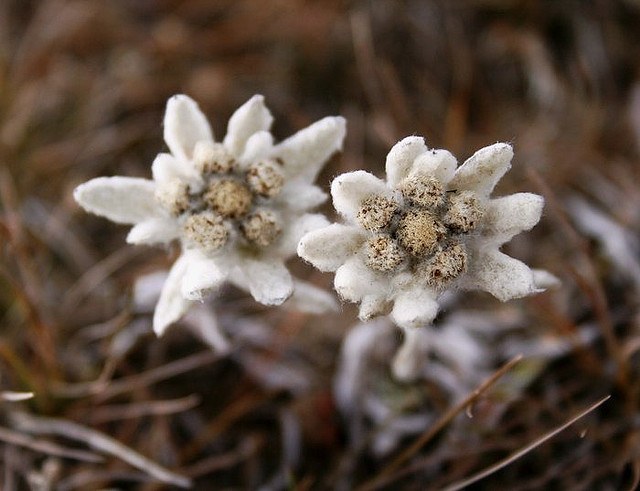
Plant Life - Flora in Chamonix Mont-Blanc
From the bottom of the valleys to the highest peaks, a wide range of vegetation can be found. Deciduous trees low down, with spruce and larch a bit higher, and finally, conifers.
Above 2500m only a few hardy bushes survive, but algae can be found right up to the highest points.
In spring and summer, a large variety of flowers can be appreciated in the forests and mountain pastures.
Geology of the Alps
The French Alps cover about 35,000km² of the western Alpine chain. They form an arc from Lake Geneva to the Mediterranean, 350km long with an average width of 100km. The highest point is the Mont-Blanc at 4,807m (15,770ft). The average altitude is 1,100m.
The characteristics of these young (everything is relative) mountains are strongly defined by the pinnacles, needles, enclosed valleys and long glaciers.
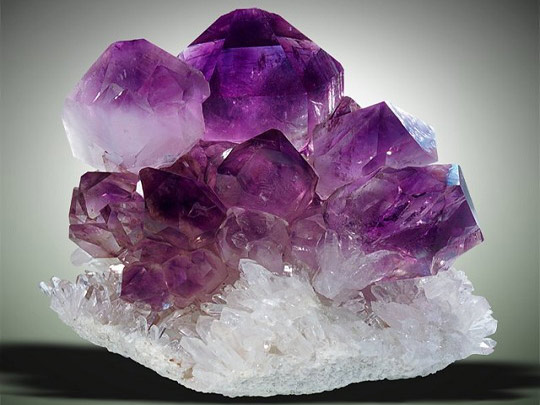
An extraordinary variety of rocks and minerals can be found, particularly in the Mt Blanc massif. Intense erosion, often assisted by man, continues to expose mineralogical and petrographical treasures.
Amateur mineralogists find crystallised minerals, sedimentary rocks with fossils, volcanic and metamorphic rocks. Check the events calendar for the annual Mineral Fair in the summer. You can also check out the museum in the Espace Tairraz exhibition centre in Chamonix or up at the Montenvers Train station / Mer de Glace.
Chamonix Natural Reserves and Zoos
The easiest way to appreciate all of this plant and animal life is to visit to one of the zoos or nature reserves in the valley.
The Aiguilles Rouges nature reserve, the Marécottes zoo (Switzerland), Merlet Animal Park (a reserve of free-ranging mountain animals) or the St. Bernard breeding centre are the primary places. For more details on these, see our natural reserve and zoo page.