




Snowshoeing is a great way for people of all ages to experience the beauty of nature. There are many trails perfect for Snowshoeing in Chamonix. Your Mountain Leader will organize the perfect trip for you or you can hire a Mountain Guide if you would like to venture onto glacial terrain.
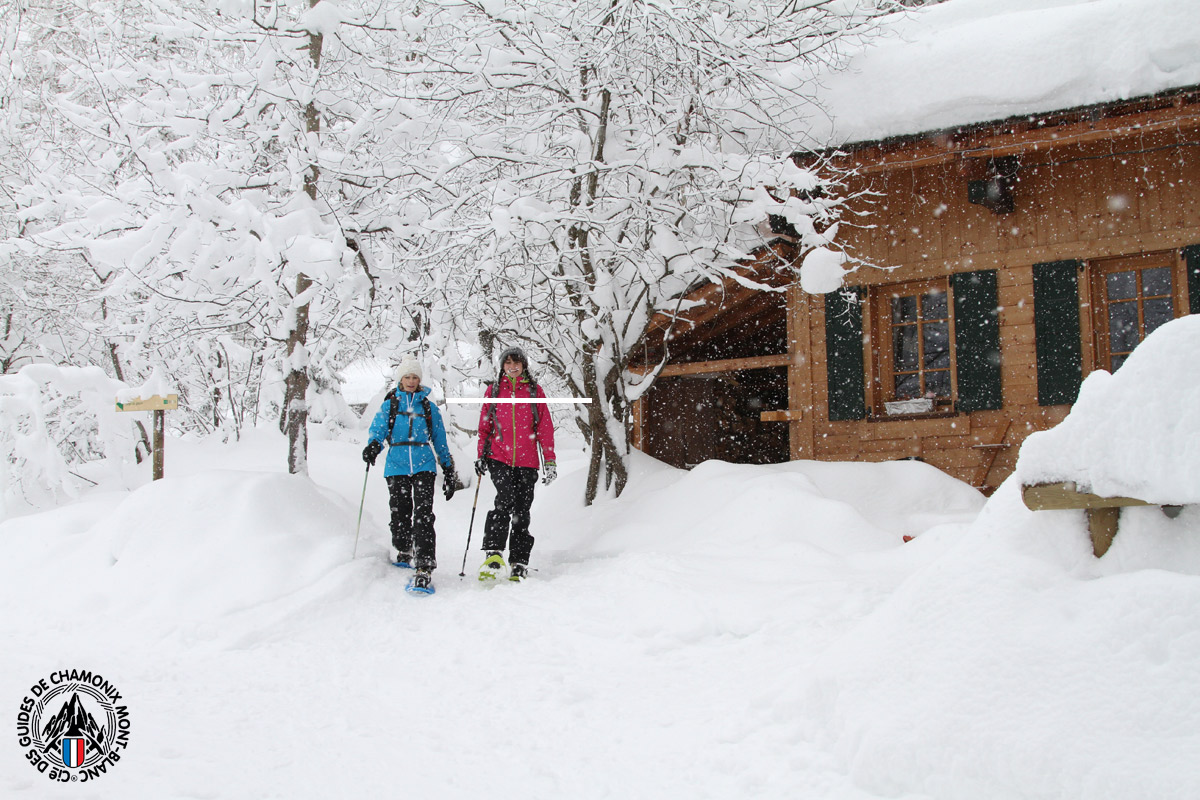
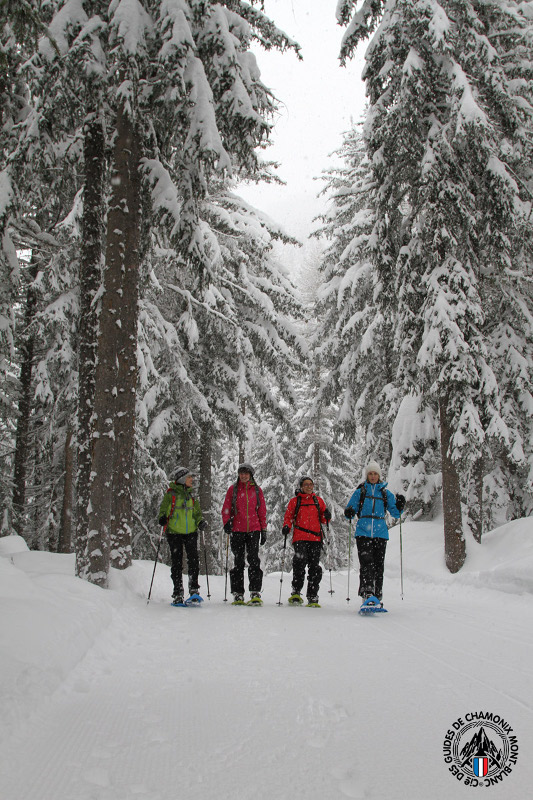
The silence of the winter forest is broken only by the soft, regular "swish, swish" of the snowshoes as you move quietly through the snowy mountains. This is snowshoeing at its best. The only way for you to travel through a world otherwise populated by deer, chamois, hare, fox and marten.
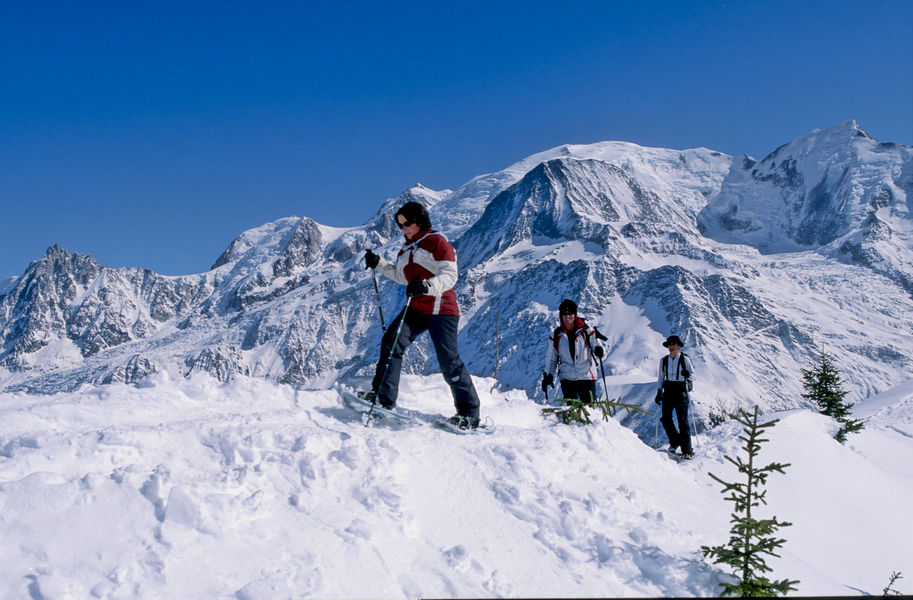
Snowshoeing is a great way for the young and old to get off the beaten tracks and away from the crowded slopes. Aside from being good fun, snowshoeing is also a diverse sport that can be either a gentle stroll above the tree line, enjoying the flora and fauna, or a challenging hike in the high mountains. For anyone who loves the snow and looking to explore this winter wonderland at a pleasant pace, this is the activity for you.
Book your Mountain Leader and enjoy the Chamonix mountains!
Experience guided snowshoeing in Chamonix — perfect for those craving gentle winter exploration off the beaten path. Walk through quiet forests, snowy ridges and glacial foothills with an expert local guide. Small groups ensure a personalized, immersive adventure. Equipment and instruction included — no experience needed. Book now and step into the serene beauty of Chamonix’s winter landscapes.
👉 Book with Chamonix.net at the best price on booking.chamonix.net
History of Snowshoeing
The snowshoe was already perfected by 4000 BC by people from Central Asia crossing the land bridge to North America. Made from a frame of ash covered with leather it was the only means of traveling by foot across those immense northern forests and plains.
Developed over several thousand years by North American Indians, snowshoes were quickly adopted by the first white hunters and trappers to invade these regions - the French in the 16th century.
New technologies in snowshoeing, particularly of plastic and light metals, and new ideas of leisure time have brought about a new interest in this ancient technique. Snowboarders need snowshoes to get to that untracked powder where as skiers would use skins for their skis.
The experience - Snowshoeing in Chamonix
In Chamonix all the guide and accompagnateur (trek leader) companies offer a wide variety of snowshoe experiences including:
- Introductory half-day outings
- Full day treks with picnic stop
- Evening walks - to finish with a traditional meal in a mountain hut or restaurant
This last one, particularly if done as a FULL MOON trek, is very popular and the drunken stumble and slide back to your chalet is great fun.
Snowshoeing - The essentials
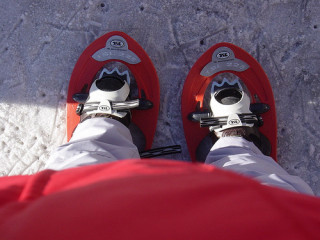
If you feel you can find your own way round then the major sports shops all hire snowshoes - "raquettes" in French. These will cost around 5 euros (£3) a half-day and 8 euros a day as a rough guide. This price includes the essential ski poles.
Snowshoeing guide books are available for ideas of typical routes with difficulties and times; e.g. Raquette à neige en Haute-Savoie (the book is in french) published by Jean-Marc Lamory lists 20 routes around Chamonix and 80 routes in total between Lac Leman (Geneva) and Megeve.
In the Chamonix valley you should try them in: Vallorcine La Flatiere/Le Coupeau (opposite Les Houches) Vaudagne/Charousse (west of Les Houches).
Visit our Maps Section and see what snowshoes walks you can do in the Chamonix Valley.
Book your Mountain Leader and enjoy the Chamonix mountains!
Experience guided snowshoeing in Chamonix — perfect for those craving gentle winter exploration off the beaten path. Walk through quiet forests, snowy ridges and glacial foothills with an expert local guide. Small groups ensure a personalized, immersive adventure. Equipment and instruction included — no experience needed. Book now and step into the serene beauty of Chamonix’s winter landscapes.


